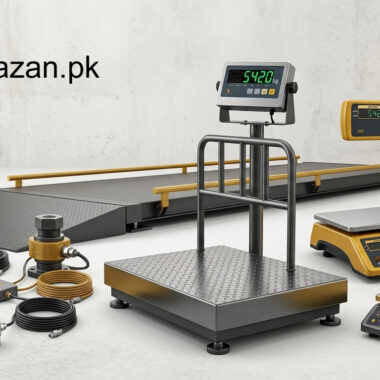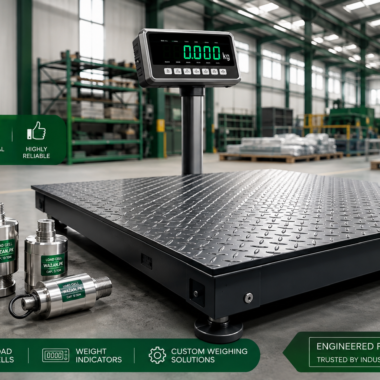
The weighbridge manufacturing industry has experienced significant changes due to the integration of artificial intelligence (AI). As manufacturers seek greater accuracy, operational efficiency, and enhanced customer service, AI has emerged as a critical enabler. From automating production processes to improving maintenance and quality control, AI-powered solutions are redefining how weighbridge components are designed, produced, and maintained.
1. Enhancing Manufacturing Processes
AI-powered automation has streamlined manufacturing by automating repetitive tasks with precision and speed. In weighbridge production, AI-driven machines handle tasks such as assembly, welding, and component placement, reducing human error and increasing productivity.
Predictive analytics further enhances production efficiency by forecasting potential equipment failures. Sensors embedded in production machinery collect data, enabling AI systems to predict breakdowns before they occur. This approach minimizes downtime, enhances productivity, and reduces maintenance costs.
2. Precision in Quality Control
In weighbridge manufacturing, product accuracy and reliability are paramount. AI-powered quality control systems ensure that every component meets strict industry standards. Advanced sensors, computer vision, and machine learning algorithms detect even the smallest product defects in real time.
By continuously learning from past data, AI systems improve inspection processes and increase the accuracy of defect detection. This reduces product recalls, enhances customer trust, and ensures that only high-quality components are shipped to customers.
3. Development of Smart Weighing Systems
The integration of AI has led to the development of smart weighbridges capable of performing advanced functions beyond simple weight measurements. These systems use AI for automatic calibration, adaptive weight adjustments, and real-time data analysis.
AI-powered weighbridges can adjust to environmental factors such as temperature changes, vibrations, and uneven terrain, ensuring precise readings in all conditions. They also provide real-time weight data to help businesses make more informed decisions and improve operational efficiency.
4. Predictive Maintenance with IoT and AI
Predictive maintenance has become a game-changer for weighbridge manufacturers. AI-powered sensors continuously monitor key components such as load cells, platforms, and electronics, identifying wear and tear before it leads to system failures.
With the integration of the Internet of Things (IoT), connected devices can send real-time data to cloud-based AI platforms. These platforms analyze the data, predict potential issues, and alert operators for timely maintenance, reducing costly downtime and prolonging equipment lifespan.
5. Supply Chain Optimization and Inventory Management
AI-driven logistics and inventory management systems have optimized the weighbridge supply chain. Machine learning algorithms can forecast demand, helping manufacturers maintain optimal stock levels and reduce inventory holding costs.
Additionally, AI-powered supplier evaluation systems assess vendor performance by analyzing data on delivery times, product quality, and pricing. This allows manufacturers to choose the most reliable suppliers, minimizing production delays and ensuring seamless operations.
6. Personalized Customer Solutions
Customer service has seen significant improvements due to AI-powered tools in the weighbridge industry. Chatbots and virtual assistants handle customer inquiries 24/7, reducing response times and improving customer satisfaction.
Moreover, AI-powered design tools allow weighbridge manufacturers to offer customized solutions tailored to clients’ specific requirements. This personalized approach helps build long-term customer relationships while increasing market competitiveness.
Challenges and Future Prospects
Despite its transformative potential, AI implementation in the weighbridge manufacturing industry comes with challenges. High initial investment costs, data security concerns, and the need for skilled AI professionals remain significant barriers.
However, continuous advancements in AI technology are expected to lower these barriers over time. As manufacturers invest in AI-driven research and development, the weighbridge industry will continue evolving, offering more intelligent, efficient, and customer-focused solutions.
Conclusion
AI has become an indispensable force in the weighbridge manufacturing industry, revolutionizing every stage of the production process. From improving manufacturing efficiency and ensuring product quality to enabling predictive maintenance and enhancing customer service, AI-driven solutions have reshaped the industry. As weighbridge manufacturers continue embracing AI, they will unlock new levels of precision, reliability, and competitiveness in an ever-evolving market.