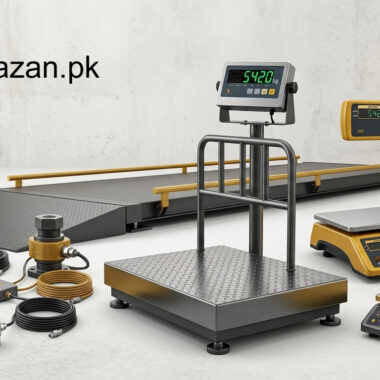
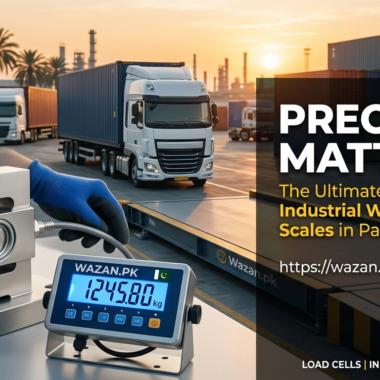
In Pakistan’s rapidly expanding manufacturing, agricultural, and logistics sectors, operational accuracy directly dictates profit margins. Whether you manage a textile mill in Faisalabad, a grain processing plant in Multan, or a logistics yard along CPEC freight routes, securing reliable weight measurements is essential.
Understanding the true industrial weighing scale price in Pakistan requires evaluating more than just the initial price tag. The total investment depends on structural steel quality, load cell accuracy, digital indicator features, local environmental resistance, and ongoing calibration support.
This comprehensive guide breaks down commercial platform scale price in pakistan options, 60-to-120-ton weighbridge investments, component specifications, and critical factors to evaluate before purchasing industrial weighing equipment for your enterprise.
Quick Answer: Industrial Scale Prices in PKR
Industrial weighing scale prices in Pakistan range from PKR 15,000 to PKR 85,000 for commercial platform bench scales (100kg–500kg). Heavy-duty floor scales (1 ton–5 tons) cost between PKR 90,000 and PKR 250,000, while full-sized 60-ton to 120-ton industrial weighbridges range from PKR 1.8 Million to PKR 4.5+ Million, depending on steel fabrication quality, load cell certifications, and digital indicators.
1. Overview of Industrial Scale Prices in Pakistan (2026 Estimates)
Industrial scales are engineered to withstand continuous heavy impact, dust, moisture, and variable power conditions. Below is an overview of standard price brackets across major industrial categories in Pakistan:
| Scale Category | Capacity Range | Typical Structure & Components | Estimated Price (PKR) |
|---|---|---|---|
| Bench & Counter Scales | 30kg – 100kg | Mild steel frame, single point aluminum load cell, LED display | PKR 12,000 – PKR 35,000 |
| Heavy Platform Scales | 100kg – 1,000kg | Checkered plate deck, MS/SS pipe frame, shear beam load cell | PKR 25,000 – PKR 85,000 |
| Heavy-Duty Floor Scales | 1 Ton – 5 Tons | 4-load-cell structure, IP67 junction box, digital indicator | PKR 90,000 – PKR 250,000 |
| Hanging Crane Scales | 1 Ton – 10 Tons | Heavy-duty steel shackle, S-type load cell, wireless remote | PKR 45,000 – PKR 160,000 |
| Commercial Weighbridges | 60 Tons – 80 Tons | 12m to 16m steel deck, 6–8 compression load cells, printer indicator | PKR 1.8M – PKR 3.2M |
| Heavy Truck Scales (100T–120T) | 100 Tons – 120 Tons | 18m steel platform, IP68 digital load cells, weighbridge software | PKR 3.2M – PKR 4.8M+ |
Note: Prices fluctuate based on prevailing steel rates, currency conversion for imported sensors, civil work requirements, and custom specifications. Contact our technical team for a custom weighbridge price quote.
2. Key Components That Determine Industrial Scale Prices
The overall performance, lifespan, and cost of an industrial weighing system depend on four primary hardware components:
A. Load Cells (The Sensing Strain Gauges)
The load cell is the core sensor that converts physical force into an electrical signal. Premium industrial load cells ensure multi-year repeatability without zero drift.
- Single Point Load Cells: Ideal for smaller platform scales (up to 500kg). Commonly manufactured from anodized aluminum alloy.
- Shear Beam & S-Type Load Cells: Used in hopper scales, hanging crane units, and medium floor platforms.
- Compression Load Cells (30t–40t): High-capacity sensors designed for heavy vehicle scales and weighbridges.
- Top Brands in Pakistan: Zemic, Aero, and Keli are widely specified for their OIML certifications and IP67/IP68 ingress protection against dust and moisture.
B. Digital Weighing Indicators (The Processing Brain)
The weighing indicator processes raw signals from load cells, displays precise numbers, and interfaces with external hardware. Choosing a featured Yaohua weighing indicator streamlines yard transactions.
- Basic LED/LCD Indicators: Display gross/net weight with standard Tare functions.
- Indicators with Built-in Thermal Printers: Popular models like the Yaohua A9 series generate instant receipts for weight tickets, reducing manual ledger errors.
- Process Controllers: Advanced units featuring RS232/RS485 communication, relay outputs, and PLC connectivity for automated batching systems.
C. Mechanical Deck & Steel Fabrication
Structural design dictates how well a platform handles dynamic shock loads:
- Mild Steel (MS) vs. Stainless Steel (SS): Mild steel channel frames are standard for dry warehouse environments. Stainless steel (304/316) is essential for chemical, food processing, or wet environments to prevent corrosion.
- Plate Thickness: Heavy checkered steel plates resist deformation over years of heavy forklift or truck usage.
D. Junction Boxes & Cabling
In multi-load-cell setups (such as 4-cell platform scales or 8-cell weighbridges), signal wires connect to an analog or digital weighing junction box with surge protection to guard against electrical spikes.
3. Selecting the Right Scale: Pit vs. Pitless Weighbridges
For heavy-vehicle logistics, choosing between a pit-type and pitless weighbridge impacts initial budget and site maintenance:
- Pitless Weighbridges: Elevated platform constructed above ground level with concrete approach ramps. They allow easy access to load cells for routine maintenance and zero risk of rainwater submersion.
- Pit-Type Weighbridges: Installed flush with ground level inside an excavated concrete pit. Excellent for space-constrained factory yards where vehicles enter from multiple angles.
4. Common Mistakes to Avoid When Buying Industrial Scales
- Undersizing Load Capacity: Buying a scale rated for exact expected loads without accounting for dynamic shock loading (e.g., a forklift dropping a pallet heavily) causes premature strain gauge failure.
- Ignoring Environmental Ratings: Operating non-hermetically sealed load cells (below IP67) in humid or wash-down environments leads to signal drift and rust.
- Overlooking Power Protection: Grid fluctuations in industrial areas can damage delicate A/D converters. Ensure indicators have internal battery backups and voltage surge protection.
- Skipping Regular Calibration: Thermal expansion, mechanical wear, and foundation settling alter readings over time. Routine calibration with certified test weights maintains legal accuracy.
Frequently Asked Questions
What factors cause variations in weighbridge prices in Pakistan?
Weighbridge pricing is influenced by platform length (12m to 18m), steel structure weight, load cell technology (analog vs. digital RS485), and civil foundation work. Imported high-precision load cells and specialized indicators also adjust total costs depending on currency exchange rates.
Which load cell brands are recommended for heavy industrial scales?
Zemic, Aero, and Keli are widely specified in Pakistan due to their proven reliability, high ingress protection ratings (IP67/IP68), and compliance with international OIML standards.
What is the difference between an analog and a digital load cell?
Analog load cells convert physical pressure into small millivolt signals, while digital load cells convert measurements to digital signals directly inside the sensor for higher noise and surge immunity.
How often should an industrial platform scale be calibrated?
Industrial scales should be calibrated every 6 to 12 months using certified standard weights. High-volume operations often require pre-season calibration to ensure legal compliance.
Can industrial weighing indicators connect to ERP or accounting software?
Yes. Modern weighing indicators equipped with RS232, RS485, or Modbus interfaces allow direct data integration with weighbridge software and ERP systems.
What is the standard lifespan of a heavy-duty truck scale in Pakistan?
A well-maintained truck scale built with quality structural steel and IP68-rated load cells typically lasts 15 to 20+ years with proper maintenance.
Looking for the Right Industrial Weighing Solution?
Explore professional weighing equipment, high-precision load cells, and get expert assistance tailored to your business needs.