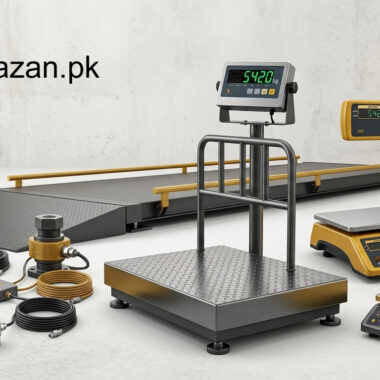
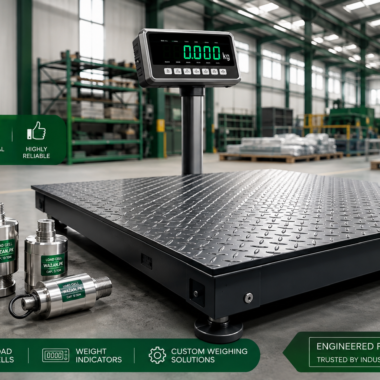
Load Cells, In industries like agriculture, manufacturing, and construction, accurate weighing of materials in storage bins or silos is essential for maintaining inventory, managing production, and ensuring quality control. Load cells, a type of force sensor used to measure weight, are critical in modern bin weighing systems. They help automate the weighing process, reduce human error, and provide real-time data, which makes them invaluable for operations that handle bulk materials. Here’s how load cells enhance bin weighing and why they’re becoming increasingly popular across various sectors.
1. Precision and Accuracy in Inventory Management
Load cells provide precise weight measurements, which is crucial for inventory management. They work by converting the force exerted by the bin’s contents into an electrical signal that can be measured and displayed digitally. In bin weighing, even small errors in weight measurement can result in substantial financial losses or discrepancies in stock, especially when dealing with high volumes of materials. By using load cells, companies can ensure accurate stock readings, minimizing waste and enhancing inventory accuracy.
2. Automation and Efficiency
Integrating load cells into bin weighing systems allows for full automation, reducing the need for manual checks and interventions. This is especially beneficial in industries with high production demands, where frequent measurement is required to maintain continuous operations. Automated load cell systems can track inventory levels in real time and send alerts when bins need to be refilled or emptied. This reduces downtime and keeps production lines running smoothly, significantly improving efficiency.
3. Safety Enhancements
Manual bin weighing methods can expose workers to safety risks, especially when dealing with large, heavy bins or hazardous materials. Load cells can eliminate the need for workers to manually access or monitor bins, reducing the risk of accidents. In some industries, load cells are integrated into safety control systems, automatically cutting off material flow if a bin reaches its maximum safe weight. This automation reduces the likelihood of overloading and can prevent accidents or equipment damage.
4. Real-Time Monitoring and Data Logging
Load cells enable real-time data collection and monitoring, allowing facilities to keep track of bin weights over time. This data can be logged and analyzed to optimize inventory levels, track material usage trends, and improve forecasting. Real-time data is particularly useful in industries with fluctuating demand, as it helps companies maintain optimal inventory levels and make more informed business decisions. The data collected can also assist in quality control, providing insights into production efficiency and material usage.
5. Integration with Process Control Systems
In many industries, bin weighing is part of a larger automated process control system. Load cells can be integrated with PLCs (Programmable Logic Controllers) and SCADA (Supervisory Control and Data Acquisition) systems to allow seamless communication between the weighing system and other production equipment. This integration enables facilities to control material flow, manage batch production, and maintain consistent quality standards. By using load cells in bin weighing, companies can ensure that the precise amount of material is used in each process, which helps minimize waste and improve product quality.
6. Durability and Adaptability
Load cells are designed to withstand various environmental conditions, making them ideal for bin weighing applications in harsh industrial settings. They are available in various types (such as compression, tension, and shear beam load cells), each suited for different bin setups and load types. For example, compression load cells are often used for stationary bins, while tension load cells are better suited for suspended bins. This versatility makes it possible to use load cells in various bin weighing configurations, ensuring durability and long-term reliability.
7. Cost Savings
Using load cells in bin weighing can provide substantial cost savings. The automation and accuracy they offer reduce the need for manual intervention, which can lower labor costs. Furthermore, by optimizing inventory management and minimizing waste, companies can reduce material costs. The longevity and reliability of load cells also mean fewer replacements or repairs, contributing to a lower total cost of ownership over time.
Conclusion
Load cells have transformed bin weighing by making it more accurate, efficient, and safe. With their precision in weight measurement, real-time monitoring, integration with control systems, and adaptability to different environments, load cells offer a comprehensive solution for managing bulk materials in bins and silos. Their role in automating bin weighing not only streamlines operations but also enhances inventory management, safety, and overall productivity. For any industry reliant on bulk materials, investing in load cell technology can bring both immediate and long-term benefits.
As technology advances, load cell systems will likely become even more sophisticated, integrating AI and IoT for predictive maintenance and enhanced automation, further revolutionizing bin weighing in various industrial applications.